

Welcome!
Friends of the St. Clair River is Michigan's Thumb Coast largest environmental organization showing 40 miles of love to the St. Clair River and its watersheds since 2007. Our mission is to protect and restore the St. Clair River and its watersheds through community education, environmental monitoring, hands-on stewardship and advocacy. We lead a variety of programs like land stewardship, community education, environmental monitoring, and responsible recreation.
The St. Clair River watershed contains some of the most limited, valuable fresh water on earth and we are here to restore, protect and enhance the future of those waterways and surrounding land. St. Clair County’s waters are a big part of what is known as the “Blue Water Area” which got its name from the St. Clair River; a river of incredible sapphire colors.
Introducing families to our natural resources is our business, and we hope this creates a lifetime of stewards that will one day advocate for blue water, green spaces, and clean air, for all, forever. Our passion for the St. Clair River watershed runs deep, so thank you for stopping by. Get out and show the watershed some love!
Featured Events

One Water – Friends of the St. Clair River
We’re proud to tell our water story and how collaboration is essential to water quality across our region. Sponsored by Southeast Michigan Council of Governments.
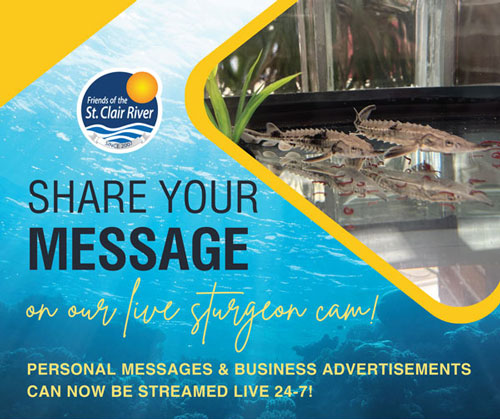
Share your message on our sturgeon cam! Messages & advertisements now streamed live 24-7! Click Here
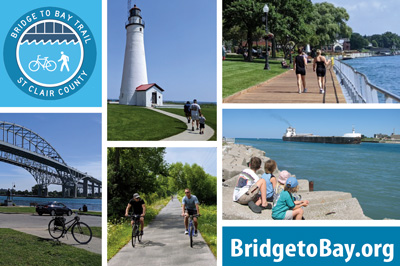
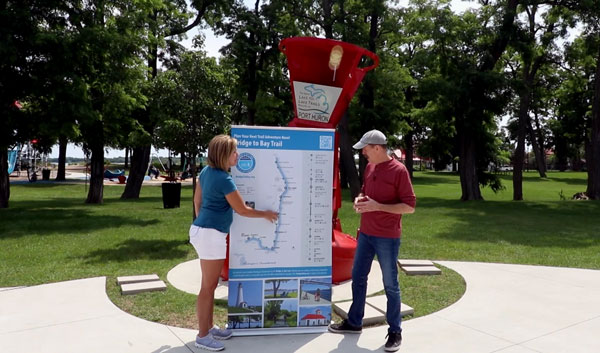
Trail Tales with Under the Radar Michigan in Port Huron – sponsored by Detroit Public TV. Watch Episode
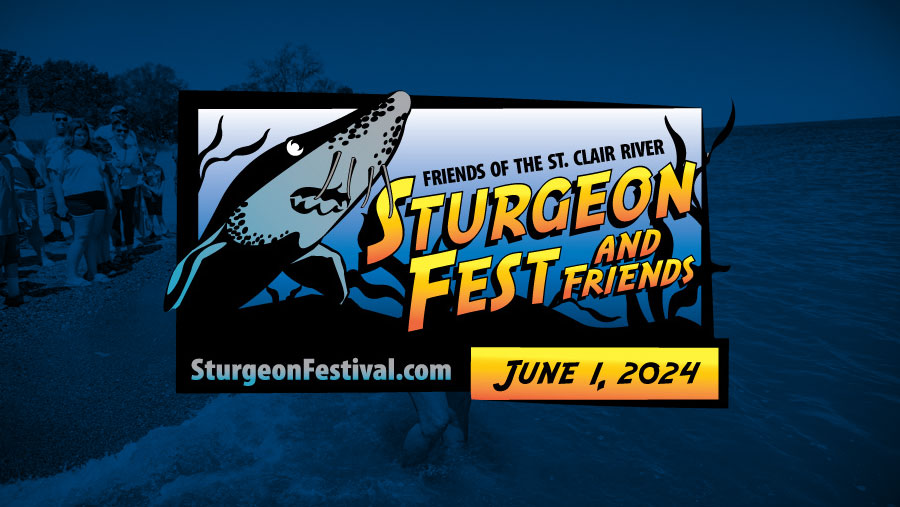
Sturgeon Festival
Since we hatched Sturgeon Festival in 2014, we have been highlighting the fascinating story of this mascot for the Great Lakes’ recovery. Blue Water Sturgeon Festival is our largest annual fundraiser. Produced by SEMCOG, the Southeast Michigan Council of Governments.
–––––––––
St. Clair River Area of Concern
The Great Lakes Water Quality Agreement between the U.S. and Canada committed both governments to restore the St. Clair River. Sponsored by the St. Clair Region Conservation Authority.
–––––––––
Saving The Sturgeon
We’re helping local students play a significant role with lake sturgeon conservation in the St Clair River. Sponsored by St. Clair County Regional Educational Service Agency.
–––––––––
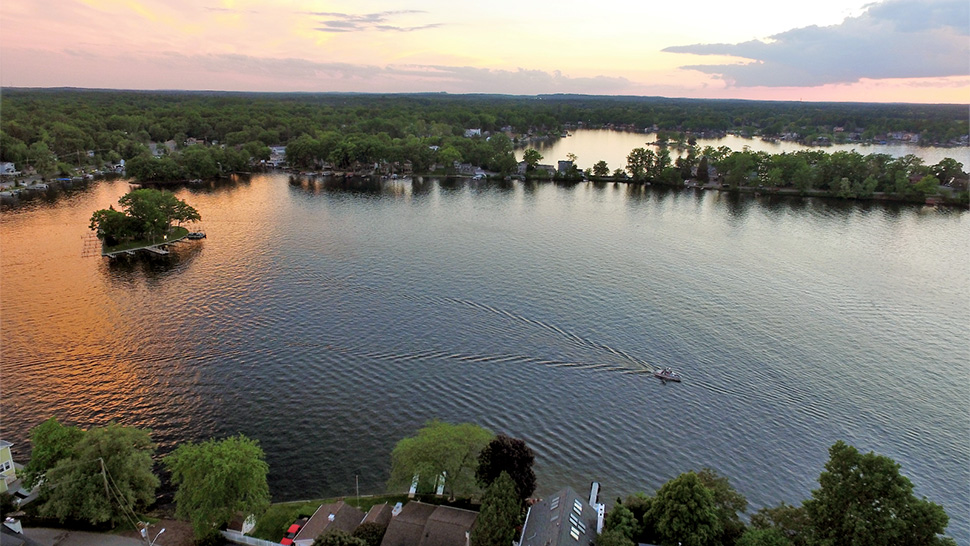
Lake St. Clair Habitat Restoration Story Map
The One Water Campaign invites you on a journey to explore Southeast Michigan's water resources. Sponsored by SEMCOG, Great Lakes Water Authority, and Cranbrook Institute of Science Fresh Water Forum. Read more...
–––––––––